
Can Crowded Teeth Be Prevented? What Parents Need to Know About Jaw Development
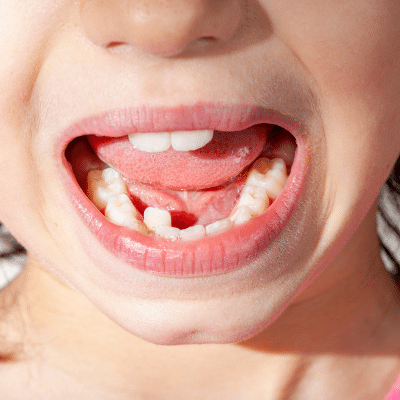
Every week, parents visit our clinic with the same concern.
“My child’s permanent teeth are coming in crooked.”
Many assume the problem started when the teeth erupted. In reality, the story often begins years earlier.
Crowded teeth do not suddenly appear overnight. They usually develop gradually as the jaws grow and permanent teeth begin replacing baby teeth.
At Gelos Dentistry, one of the best dental clinics in Zirakpur, we believe parents should understand that crowding is not simply a cosmetic issue. It often reflects the relationship between jaw development, oral function, genetics, breathing patterns, and growth during childhood.
The question many parents ask is an important one: Can crowded teeth actually be prevented?
The answer is more nuanced than a simple Yes or No.
What Are Crowded Teeth?
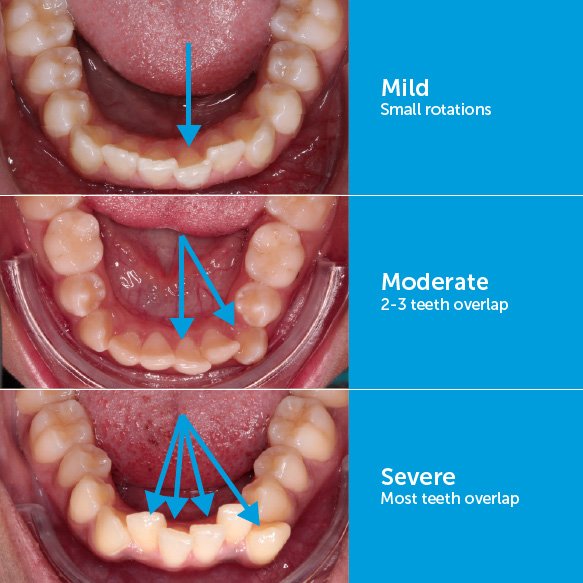
Dental crowding occurs when there is not enough space within the jaws to accommodate all teeth in their ideal positions.
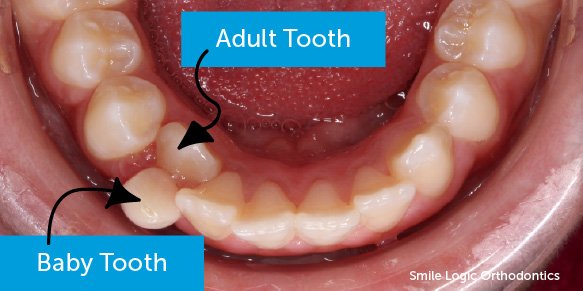
When permanent teeth erupt into a jaw that lacks sufficient room, they may rotate, overlap, erupt outside the dental arch, or become trapped beneath the gums.
Crowding can range from mild irregularity to severe misalignment involving multiple teeth.
While many people view crowding as an aesthetic concern, it may also affect:
- Oral hygiene
- Gum health
- Bite function
- Orthodontic complexity
- Long-term dental maintenance
Is This More Common Today?
Many dental professionals believe that crowding occurs more frequently today than in historical populations.
Anthropologists studying ancient skulls often observe broader dental arches and fewer impacted wisdom teeth compared to modern populations.
Although genetics remain important, researchers continue investigating how modern lifestyles may influence facial and jaw development.
Factors frequently discussed include:
- Softer diets
- Reduced chewing demands
- Mouth breathing
- Airway challenges
- Altered oral habits
- Changes in childhood development
The relationship is complex, but growing evidence suggests that function and environment influence growth alongside genetics.
Is Crowding Entirely Genetic?
One of the most common misconceptions is that crowded teeth are completely inherited.
Genetics certainly influence:
- Tooth size
- Jaw size
- Facial structure
- Growth patterns
However, genetics do not operate in isolation.
The way children breathe, chew, swallow, and hold their tongues can also influence how the jaws develop during critical growth periods.
This is why two siblings with similar genetics may develop very different dental patterns.
The Role of Jaw Growth
Permanent teeth require adequate space.
If the jaws develop broadly and proportionately, teeth are more likely to erupt into favorable positions.
When jaw growth is restricted, available space decreases.
The result may include:
- Overlapping front teeth
- Narrow dental arches
- Crossbites
- Impacted teeth
- Future orthodontic challenges
The issue often involves insufficient jaw space rather than excessively large teeth.
Why Tongue Posture Matters
The tongue plays a surprisingly important role in oral development.
When resting properly against the palate, it exerts gentle pressure that helps support normal upper jaw growth.
When the tongue consistently rests low in the mouth, this natural support may be reduced.
Tongue posture is closely connected to breathing patterns, oral habits, and overall facial development.
Modern airway-focused dentistry increasingly recognises the importance of these functional influences.
How Breathing Habits May Affect Tooth Alignment
Breathing patterns influence more than oxygen intake.
Children who habitually breathe through their mouths often develop altered tongue posture and lip function.
Over time, these changes may affect the balance of forces acting on the developing jaws.
Researchers have reported associations between chronic mouth breathing and:
- Narrow upper arches
- Increased crowding
- Long facial patterns
- Orthodontic problems
Although breathing alone does not determine facial growth, it remains an important piece of the puzzle.
The Importance of Chewing and Oral Function
Modern diets require significantly less chewing than those consumed by previous generations.
Many foods today are processed, softened, and easy to eat.
Chewing stimulates muscles throughout the face and jaw.
Some researchers believe that reduced chewing demands may influence how facial structures develop during childhood.
While diet is not the sole cause of crowding, proper oral function appears to contribute to healthy growth.
Can Early Evaluation Make a Difference?
One of the most effective strategies is early assessment.
This does not mean every child needs treatment.
It means monitoring growth while changes are still occurring.
Early evaluations may help identify:
- Developing crowding
- Airway concerns
- Crossbites
- Narrow arches
- Eruption problems
- Harmful oral habits
Recognising these factors early often provides more options than waiting until adolescence.
Why Impacted Wisdom Teeth Are So Common
Many adults eventually discover that their wisdom teeth lack sufficient space to erupt normally.
This often reflects the same underlying issue seen elsewhere in the mouth: limited jaw space.
When posterior jaw growth is inadequate, wisdom teeth may become partially erupted, trapped beneath the gums, or angled against neighbouring teeth.
Understanding earlier developmental patterns may help explain why impacted wisdom teeth are now so common.
Looking Beyond Braces
Orthodontic treatment remains an important tool for correcting misaligned teeth.
However, modern dentistry increasingly asks a broader question:
Why did the crowding develop in the first place?
Exploring factors such as breathing, tongue posture, airway health, and facial growth provides a more complete understanding of oral development.
This perspective allows clinicians and parents to focus not only on correcting problems but also on understanding their potential causes.
A Comprehensive Approach to Growth Assessment
At Gelos Dentistry, Zirakpur, we believe every child deserves individualised evaluation rather than a one-size-fits-all approach.
Modern technologies such as:
- Digital intraoral scanning
- Clinical photography
- Growth assessment
- CBCT imaging when indicated
can help clinicians understand facial development, dental eruption patterns, and available jaw space more accurately, thus helping prevent crowded teeth.
The goal is not simply to straighten teeth but to better understand the factors influencing long-term oral health.
ABOUT THE AUTHOR

Dr. Harnoor Dhillon is a Gold Medalist dental surgeon and Founder of Gelos Dentistry, a Specialist-led Multispeciality Dental Practice. She is recognised for her academic excellence and is a recipient of multiple professional honours during her training, and has developed a keen interest in digital dentistry, microscopic endodontics and comprehensive oral rehabilitation. Through Gelos Dentistry, she aims to bring world-class technology, specialist-led care and an ethical patient-first philosophy to the Tricity region.