
Dental Implants vs Bridges: Which Is Better for Replacing Missing Teeth?
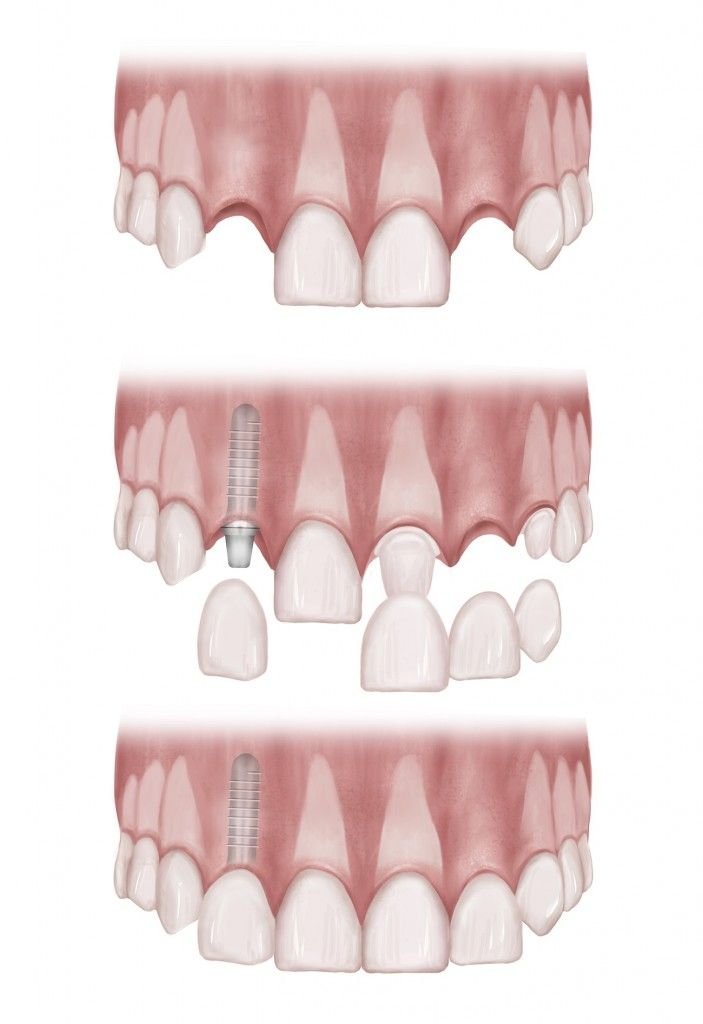
When patients lose a tooth, one of the first questions they ask is whether they should choose a dental implant or a dental bridge. The debate around dental implants vs bridges is one of the most common discussions in modern dentistry because both treatments can successfully replace missing teeth while offering different advantages and limitations.
In this article, we dive into dental implants and dental bridges.
At first glance, both options appear to solve the same problem. Both fill the gap left behind by a missing tooth, help improve appearance, and restore function.
However, the way they achieve these results is very different.
At Gelos Dentistry, we regularly meet patients from Zirakpur, Mohali, Chandigarh, Panchkula, and across the Tricity region who want to understand whether a dental implant or a bridge is the better long-term investment for their smile.
The answer depends on several factors, including oral health, bone support, adjacent teeth, budget, and long-term goals.
Understanding the differences can help you make a more informed decision.
Why Replacing a Missing Tooth Matters
Many people assume that a single missing tooth is only a cosmetic concern.
In reality, the consequences often extend much further.
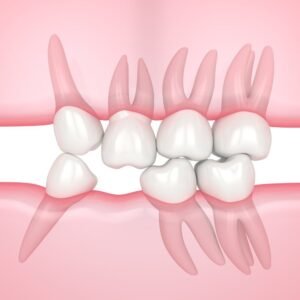
When a tooth is lost, several changes can begin occurring inside the mouth:
- Adjacent teeth may drift toward the empty space.
- Opposing teeth may begin over-erupting.
- Bite relationships can change.
- Chewing efficiency may decrease.
- Bone loss may occur in the area of the missing tooth.
- Additional teeth may experience increased stress.
These changes often happen gradually, making them easy to overlook until larger problems develop.
For this reason, replacing missing teeth promptly is generally recommended whenever possible.
What Is a Dental Bridge?
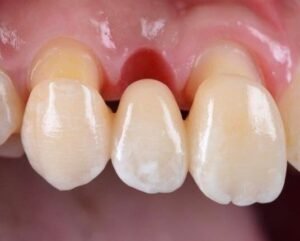
A dental bridge replaces a missing tooth by using the neighbouring teeth for support.
The teeth on either side of the gap are prepared and covered with crowns.
A replacement tooth, known as a pontic, is attached between these crowns.
The result is a fixed restoration that fills the space and restores appearance.
Dental bridges have been used successfully in dentistry for many decades and continue to be a reliable treatment option in appropriate cases.
What Is a Dental Implant?
A dental implant replaces the root of a missing tooth.
A small titanium implant is placed within the jawbone where the natural tooth once existed.
Over time, the implant integrates with the surrounding bone through a process called osseointegration.
Once healing is complete, a custom crown is attached to the implant.
The result closely mimics the structure of a natural tooth because both the root and the visible portion are replaced.
This is one reason dental implants are often considered the most comprehensive tooth replacement solution available today.
Appearance: Which Looks More Natural?
When evaluating dental implants vs bridges, appearance is often one of the first concerns patients discuss.
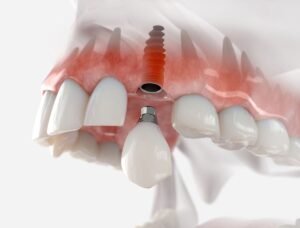
Both treatment options can achieve excellent aesthetic results, but dental implants often provide the closest resemblance to natural teeth because they emerge directly from the gum tissue.
Because neighbouring teeth remain untouched, the final result can appear exceptionally natural.
For many patients seeking premium smile rehabilitation, implants provide the closest experience to having their natural tooth back.
Protecting Healthy Teeth
One of the most important distinctions between dental implants and bridges lies in how they affect adjacent teeth.
To support a bridge, dentists typically prepare the neighbouring teeth to receive crowns that anchor the restoration.
Even if these teeth are completely healthy, the procedure usually requires the removal of some natural tooth structure.
Dental implants, by contrast, replace the missing tooth without relying on support from adjacent teeth, allowing us to preserve more of your natural dentition.
As a result, healthy neighbouring teeth can remain untouched. For patients with otherwise healthy teeth, this advantage is often an important consideration.
Long-Term Bone Preservation
Many people do not realise that the jawbone begins to change soon after a tooth is lost.
Natural tooth roots transmit chewing forces into the surrounding bone, providing the stimulation needed to maintain bone strength and volume.
When a tooth root is no longer present, the bone in that area often begins to shrink over time.
A dental bridge restores the visible portion of the missing tooth but does not replace the root beneath the gums.
A dental implant, on the other hand, replaces the missing root and transfers chewing forces into the jawbone.
By replicating the function of a natural tooth root, dental implants help maintain bone volume and support long-term oral health.
Cleaning and Maintenance
Both implants and bridges require excellent oral hygiene.
Bridges often require special cleaning techniques underneath the replacement tooth.
Many patients use floss threaders or specialised cleaning aids to maintain hygiene beneath the bridge.
Patients typically maintain dental implants using techniques similar to those used for natural teeth. To maximise longevity and oral health, they should combine diligent home care with regular professional maintenance and routine dental examinations.
Longevity: Which Lasts Longer?
Modern dentistry has dramatically improved the lifespan of both implants and bridges.
A well-maintained bridge can often function successfully for many years.
Dental implants also demonstrate excellent long-term success rates when properly planned and maintained.
Because implants do not depend on neighboring teeth, many clinicians consider them one of the most predictable long-term tooth replacement options available today.
The exact lifespan varies based on:
- Oral hygiene
- Gum health
- Smoking habits
- Bite forces
- Overall health
- Regular maintenance
When Is a Bridge a Better Choice?
Although implants offer many advantages, they are not automatically the best solution for every patient.
A bridge may be appropriate when:
- Adjacent teeth already require crowns.
- Implant placement is not feasible.
- Medical considerations exist.
- Treatment timelines need to be shorter.
- Specific financial considerations influence treatment decisions.
Every patient presents a unique situation.
We always individualise treatment recommendations based on each patient’s unique needs, oral health, and long-term goals.
When Is a Dental Implant a Better Choice?
At Gelos Dentistry, we frequently recommend dental implants for patients who:
- Neighbouring teeth are healthy.
- Long-term bone preservation is important.
- Patients desire a solution that closely mimics natural teeth.
- Adequate bone support is present.
- We prioritise preserving healthy adjacent teeth and avoid unnecessary intervention whenever possible.
For many adults, implants represent the closest replacement available to a natural tooth.
The Role of Digital Dentistry in Implant Planning
Modern implant treatment relies heavily on technology.
At Gelos Dentistry, advanced diagnostic tools help improve treatment planning and precision.
These technologies may include:
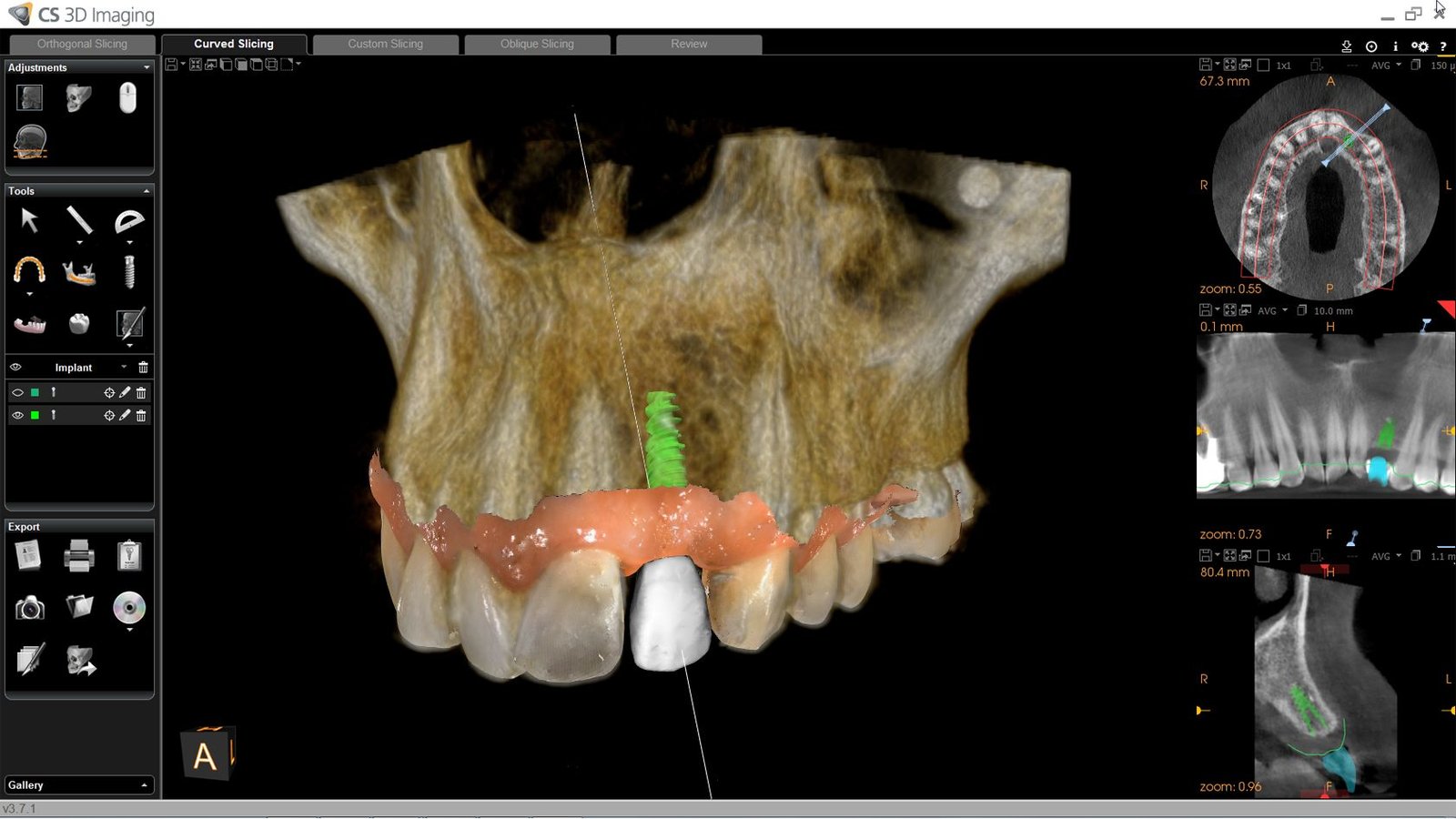
CBCT Imaging
Three-dimensional imaging helps evaluate:
- Bone quality
- Bone quantity
- Nerve location
- Anatomical structures
Digital Intraoral Scanning
Digital impressions provide highly accurate models of the teeth and bite.
Guided Treatment Planning
Advanced software allows clinicians to visualise implant placement before treatment begins.
This digital workflow helps improve accuracy, predictability, and patient understanding.
Choosing the Right Solution
The question is not whether implants are always better than bridges.
The real question is:
Which option is better for your specific situation?
The answer depends on your oral health, goals, anatomy, and long-term expectations.
A comprehensive evaluation allows dentists to assess all relevant factors before recommending treatment.
Dental Implants and Bridges at Gelos Dentistry
At Gelos Dentistry, we provide comprehensive consultations for patients considering tooth replacement options.
Using CBCT imaging, digital scanning technology, and detailed treatment planning, we help patients from Zirakpur, Mohali, Chandigarh, Panchkula, and the surrounding Tricity region understand the advantages and limitations of each treatment option.
Our goal is not simply to replace missing teeth but to restore function, confidence, and long-term oral health.
ABOUT THE AUTHOR

Dr. Harnoor Dhillon is a Gold Medalist dental surgeon and Founder of Gelos Dentistry, a Specialist-led Multispeciality Dental Practice. She is recognised for her academic excellence and is a recipient of multiple professional honours during her training, and has developed a keen interest in digital dentistry, microscopic endodontics and comprehensive oral rehabilitation. Through Gelos Dentistry, she aims to bring world-class technology, specialist-led care and an ethical patient-first philosophy to the Tricity region.