
What Is Airway Dentistry? Understanding the Connection Between Breathing, Sleep, and Oral Health
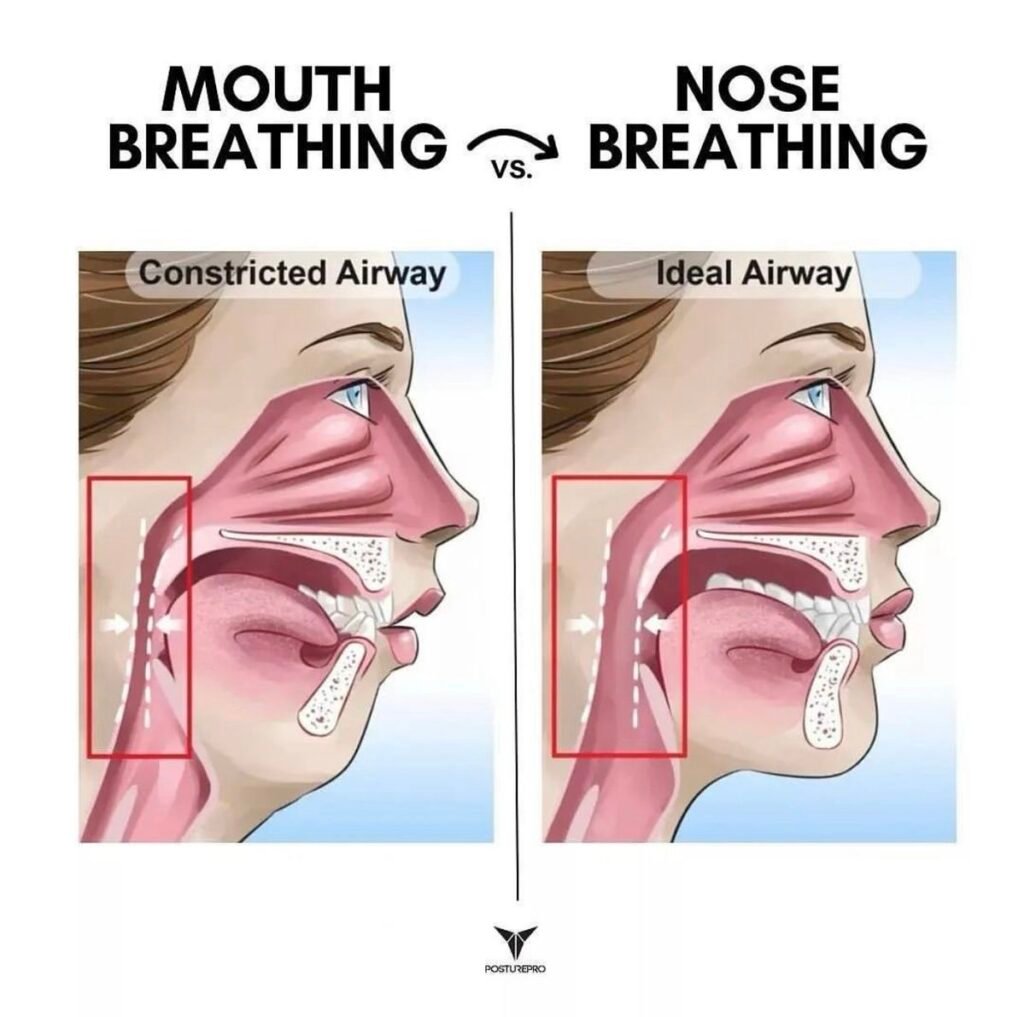
Breathing is something most of us rarely think about. It happens automatically, every second of every day. Yet the way we breathe can influence far more than simply getting oxygen into our lungs. Modern research continues to reveal fascinating connections between breathing patterns, sleep quality, jaw development, facial growth, oral health, and overall wellbeing.
This growing understanding has given rise to a field known as airway dentistry. Rather than focusing solely on teeth and gums, airway dentistry takes a broader view of health by evaluating how the mouth, jaws, tongue, airway, and surrounding facial structures work together.
At Gelos Dentistry, we believe that truly comprehensive dental care goes beyond treating symptoms. Whether you are seeking care in Zirakpur, Mohali, Chandigarh, Panchkula, or the surrounding Tricity region, understanding airway health can provide valuable insights into many common dental and developmental concerns.
Understanding the Airway
The airway is the pathway through which air travels from the nose and mouth to the lungs. It includes several important structures:
- The nose and nasal passages
- The oral cavity
- The tongue
- The throat and pharynx
- The upper respiratory tract
When these structures function efficiently, breathing occurs comfortably and naturally. However, when airflow becomes restricted, the body may adapt in ways that can influence sleep, facial development, and oral health.
Many people are surprised to learn that issues involving breathing can sometimes be detected during a routine dental examination.
What Is Airway Dentistry?
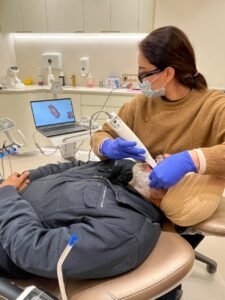
Airway dentistry is an area of modern dental care that focuses on evaluating the relationship between:
- Breathing patterns
- Sleep quality
- Jaw growth
- Facial development
- Tongue posture
- Oral function
- Dental alignment
Airway-focused dentists look beyond individual teeth to understand how the entire oral and facial system functions.
For example, a child presenting with crowded teeth may not simply have a tooth alignment issue. The underlying factors may involve jaw development, airway function, tongue posture, or breathing habits that have influenced growth over many years.
Similarly, adults experiencing chronic snoring, poor sleep quality, or jaw discomfort may have oral and airway factors contributing to their symptoms.
Why Are Dentists Becoming More Interested in Airway Health?
Dentists examine the mouth, jaws, and surrounding structures regularly. Because of this, they are often among the first healthcare professionals to identify signs that may suggest airway-related concerns.
During a dental examination, clinicians may observe:
- Narrow dental arches
- Crowded teeth
- Enlarged tonsils
- Mouth breathing
- Tongue restrictions
- Worn teeth
- Bruxism (teeth grinding)
- Improper tongue posture
- Developmental jaw discrepancies
These observations can provide important clues about how the airway and oral structures are functioning.
Breathing: More Important Than Most People Realise
Most people think breathing is simply about oxygen exchange.
In reality, breathing patterns influence many aspects of health, including:
- Facial growth
- Jaw development
- Sleep quality
- Muscle function
- Oral posture
- Tongue positioning
During childhood, these influences become particularly significant because the face and jaws are still developing.
Small changes in function during growth years can sometimes affect facial structure, tooth alignment, and oral development later in life.
Why Nasal Breathing Matters
The human body is designed to breathe primarily through the nose.
Nasal breathing offers several important advantages:
Air Filtration
The nose filters dust, allergens, and airborne particles before they reach the lungs.
Air Humidification
Nasal passages help humidify inhaled air, reducing irritation of the respiratory tract.
Temperature Regulation
The nose warms incoming air before it enters the lungs.
Improved Oxygen Utilisation
Nasal breathing supports the production of nitric oxide, which plays a role in oxygen transport and circulation.
Proper Tongue Posture
When breathing occurs through the nose, the tongue typically rests against the roof of the mouth, helping support normal jaw development.
These benefits help explain why healthcare professionals increasingly emphasise the importance of healthy nasal breathing.
What Happens When Someone Breathes Through Their Mouth?
Occasional mouth breathing is normal during exercise, illness, or temporary nasal congestion.
However, chronic mouth breathing may contribute to several oral and developmental concerns.
Research has identified associations between long-term mouth breathing and:
- Narrow dental arches
- Crowded teeth
- Altered facial growth patterns
- Dry mouth
- Increased risk of cavities
- Gum inflammation
- Poor sleep quality
- Snoring
Although mouth breathing is not the sole cause of these issues, it often forms part of a larger picture involving airway health and oral development.
Airway Dentistry and Jaw Growth
One of the most fascinating aspects of airway dentistry is the relationship between breathing and jaw development.
As children grow, their jaws respond to a combination of:
- Genetics
- Muscle function
- Tongue posture
- Breathing patterns
- Environmental influences
When the tongue rests properly against the palate, it provides gentle support that helps guide upper jaw development.
When chronic mouth breathing causes the tongue to sit lower in the mouth, this support may be reduced.
Over time, these differences may influence the shape and width of the developing dental arches.
This is one reason airway-focused dentistry often overlaps with orthodontics and facial growth assessment.
The Link Between Airway Health and Crowded Teeth
One of the most common questions parents ask is:
“Why are my child’s teeth coming in crooked?”
Many people assume the answer is purely genetic.
While genetics certainly influence tooth size and jaw structure, they do not tell the whole story.
Crowding often occurs when there is insufficient space within the jaws to accommodate erupting permanent teeth.
Several factors may influence this available space, including:
- Jaw growth patterns
- Tongue posture
- Breathing habits
- Oral function
- Facial development
Understanding these factors allows clinicians to evaluate dental crowding from a broader perspective.
How Airway Health Can Affect Sleep
Airway health does not only influence facial development. It can also affect sleep quality.
When airflow becomes restricted during sleep, individuals may experience:
- Snoring
- Restless sleep
- Frequent awakenings
- Daytime fatigue
- Difficulty concentrating
- Morning dry mouth
Children sometimes display different symptoms.
Instead of appearing tired, they may become:
- Irritable
- Hyperactive
- Easily distracted
- Less focused in school
Because sleep plays a crucial role in physical and cognitive development, airway-related concerns deserve careful attention.
Airway Dentistry in Children
Childhood represents a critical window for growth and development.
During these years, dentists may monitor:

Jaw Development
Assessing whether the jaws are growing proportionately.
Tooth Eruption Patterns
Evaluating how permanent teeth are emerging.
Tongue Function
Observing tongue posture and movement.
Breathing Habits
Identifying signs of chronic mouth breathing.
Facial Development
Monitoring overall craniofacial growth.
Early assessment does not necessarily mean treatment is required. Instead, it provides valuable information that may help guide future decisions.
Airway Dentistry in Adults
Airway-focused evaluations are not limited to children.
Adults may also benefit from understanding how airway health influences oral health and quality of life.
Common concerns include:
- Chronic snoring
- Sleep-related breathing difficulties
- Teeth grinding
- Jaw tension
- Dry mouth
- Poor sleep quality
A comprehensive evaluation can help identify oral signs that may be associated with airway function.
The Role of Advanced Dental Technology
Modern dental technology has transformed the way clinicians evaluate oral and facial structures.
At Gelos Dentistry, advanced digital tools may assist in understanding airway-related concerns.
CBCT Imaging
Three-dimensional CBCT scans provide detailed views of:
- Airway anatomy
- Jaw relationships
- Tooth positioning
- Facial structures
This technology allows for far greater visualisation than traditional two-dimensional imaging.
Digital Intraoral Scanning
Digital scanners create highly accurate 3D models of:
- Dental arches
- Bite relationships
- Tooth alignment
- Jaw development
These tools support more precise diagnosis and treatment planning.
A Collaborative Approach to Airway Health
Airway dentistry often involves collaboration with other healthcare professionals.
Depending on individual needs, care may involve:
- ENT specialists
- Pediatricians
- Orthodontists
- Sleep physicians
- Oral surgeons
- Myofunctional therapists
This multidisciplinary approach helps ensure comprehensive evaluation and management.
Why Awareness Matters
Many people remain unaware of the connections between breathing, sleep, and oral health.
Increasing awareness allows patients and parents to:
- Recognise early warning signs
- Seek appropriate evaluations
- Understand facial development
- Make informed healthcare decisions
The goal is not to create unnecessary concern but to encourage a more complete understanding of oral and overall health.
Airway Dentistry at Gelos Dentistry, Zirakpur
At Gelos Dentistry, we believe modern dentistry should focus on more than just treating teeth. Through comprehensive examinations, advanced digital imaging, CBCT technology, and personalised treatment planning, we strive to understand the factors that influence long-term oral health.
Patients from Zirakpur, Mohali, Chandigarh, Panchkula, and across the Tricity region increasingly seek dental care that considers the bigger picture of facial growth, breathing, sleep, and oral function.
Our goal is to combine evidence-based dentistry with advanced technology and patient education to deliver a higher standard of care.

Final Thoughts
Airway dentistry represents an exciting evolution in modern dental care. By examining the relationship between breathing, sleep quality, jaw growth, facial development, and oral health, dentists can gain a deeper understanding of many common dental concerns.
Whether you are a parent concerned about your child’s development or an adult seeking answers about oral health and sleep-related issues, understanding airway health may provide valuable insights into overall well-being.
At Gelos Dentistry, Zirakpur, we are committed to helping patients throughout Zirakpur, Mohali, Chandigarh, Panchkula, and the Tricity area better understand the factors that shape lifelong oral health through education, advanced diagnostics, and comprehensive dental care.